#44 Should Public Contracts Even Be Allowed to Go to Arbitration?
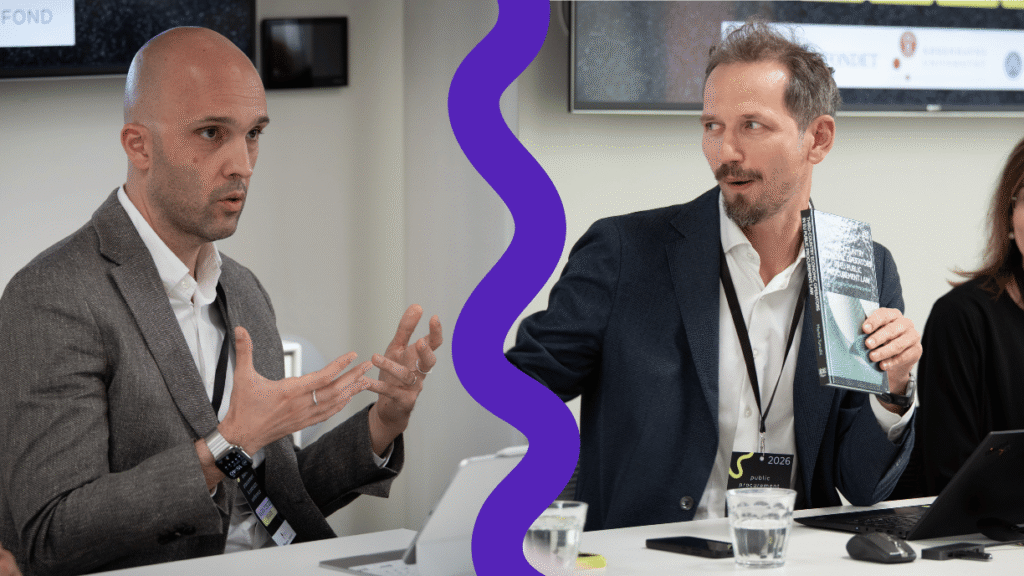
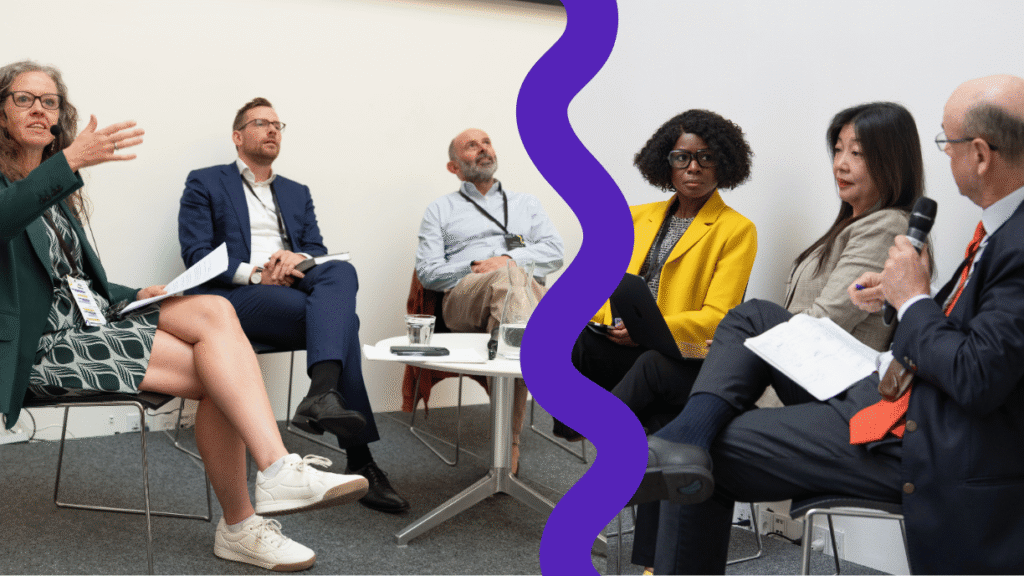
In this solo “aperitif” episode of Bestek, Marta Andhov shares highlights from the closing panel on arbitration in public contracts at the PurpLE Conference on Public Procurement and Contracts in Copenhagen, chaired by Peter Trepte (University of Nottingham), supported by the Dreyers Foundation and funded by the Carlsberg Foundation.
The episode focuses on the threshold question of whether public contract disputes should be allowed to go to arbitration, given its implications for cost, speed, expertise, and the tension between confidentiality and transparency.
Roxana Vornicu (King’s College London; Sîrbu and Vornicu Law, Romania) argues that arbitration fits internationalised construction supply chains and that confidentiality can align with protections already found in procurement law. Cesar Pareira (Chartered Institute of Arbitrators, São Paulo) emphasises efficiency and fairness, and later stresses that transparency in state contract arbitration is essential for public scrutiny and trust. Nicholas Jobidon (Université du Québec) warns against removing judicial review and notes that arbitration is useful but not for every case. Miguel Assis Raimundo (University of Lisbon) compares France, Spain, and Portugal and suggests that stronger institutional architecture can address many of the fears around arbitration.
Marta closes by drawing the threads together, concluding that the panel offers no flat yes or no, and that the answer comes down to conditions, not a verdict.